Winning government tenders in Australia requires strategy, preparation, and understanding of the procurement process. Here are our top 5 tips to improve your success rate.
1. Understand the Procurement Framework
The Australian government follows strict procurement guidelines designed to ensure fairness, value for money, and transparency. Key frameworks include:
Commonwealth Procurement Rules (CPRs): Govern federal government buying
Panel Arrangements: Pre-qualified supplier lists for specific categories
Standing Offers: Agreements for ongoing supply of goods/services
Action Steps:
Study the CPRs and understand value thresholds (e.g., $200K+ requires open tender)
Check if you’re eligible for relevant panel arrangements
Review AusTender regularly for upcoming opportunities
Pro Tip: Use Tendor to automatically track panel arrangement opportunities matching your capabilities.
In a market where small businesses often compete fiercely for limited government and council contracts, a quiet shift is transforming the game. Across Australia, cooperative procurement—where multiple agencies join forces to purchase goods and services collectively—is creating new pathways for local suppliers to scale, collaborate, and thrive.
Once seen as a system favouring large corporations, government procurement is becoming more inclusive. This evolution is offering small and medium enterprises (SMEs) a chance to move from head-to-head competition to shared success.
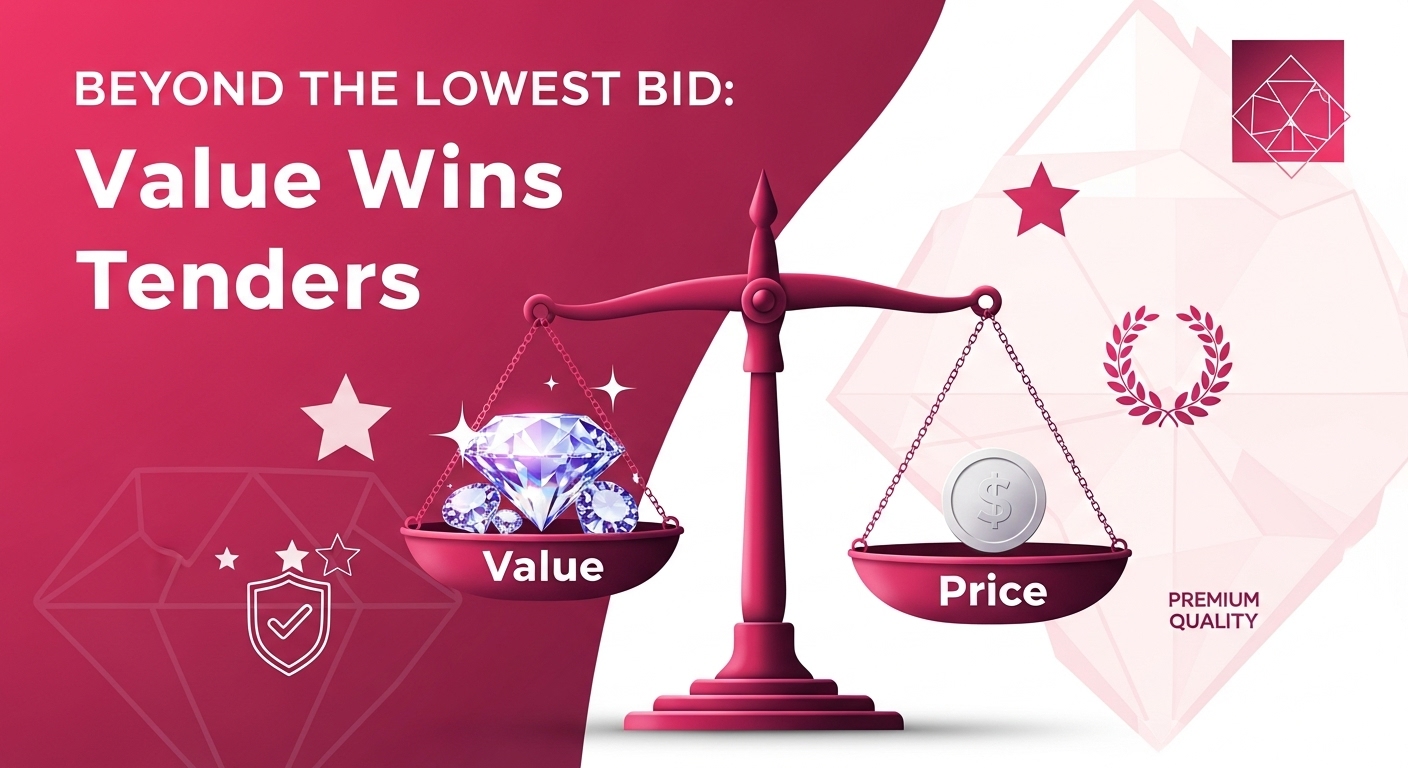
Australian businesses eyeing government contracts often wonder if the lowest price always secures the deal. In reality, government agencies across Australia have long moved “beyond the lowest bid” model, instead seeking true value for money when awarding tenders—balancing cost with quality, capability, innovation, and compliance to deliver lasting outcomes.
Understanding Value for Money in Tenders
When the government evaluates tenders, “value for money” serves as the guiding principle. This concept considers the total benefits and costs across the entire lifecycle of the good or service, not just the upfront price tag. The aim is to secure the best outcome, factoring in quality, risk management, timelines, sustainability, and local economic benefits alongside price.
Tender StrategyGovernment ProcurementValue for Money
Tendering is a practical pathway for small businesses to win contracts from government agencies and large organisations. Following a clear, structured approach helps ensure your submissions are competitive and compliant.
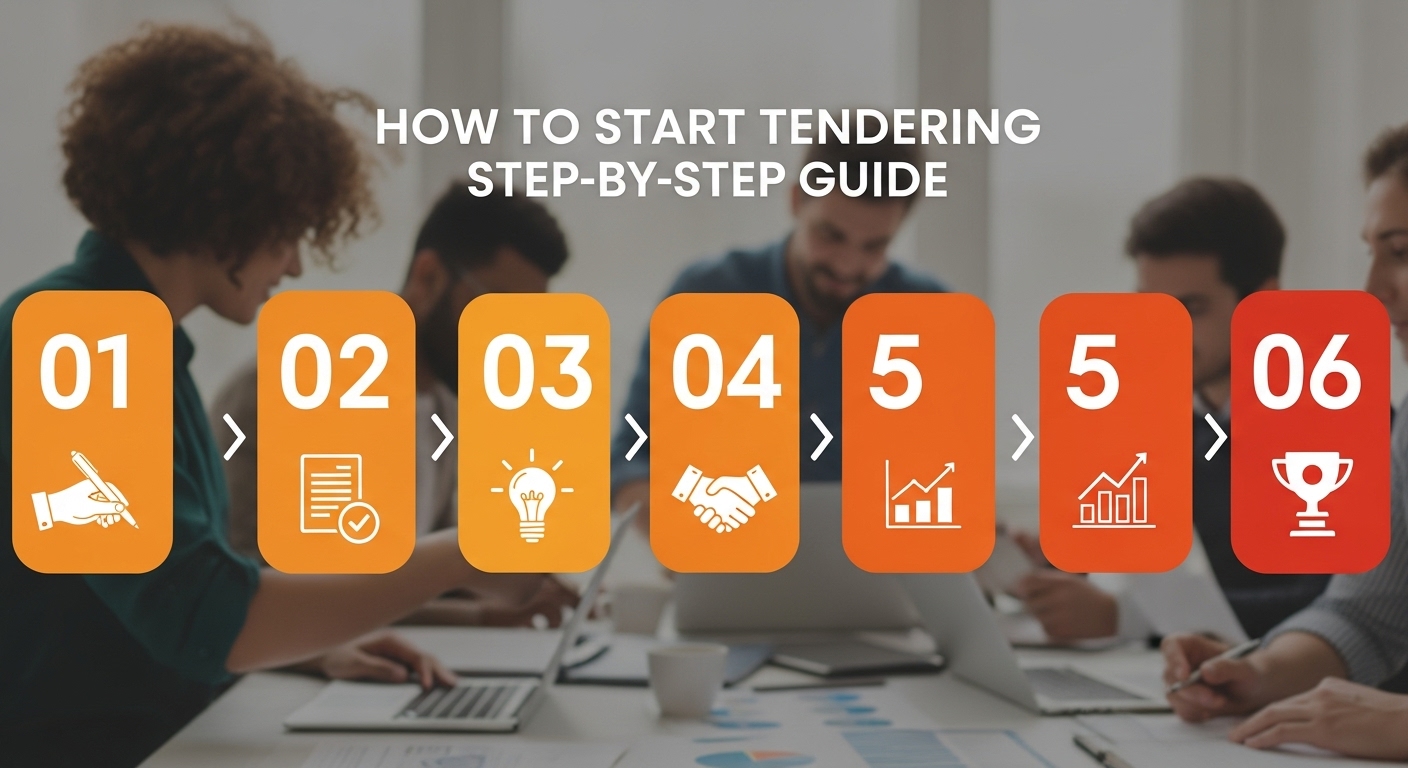
How to Start Tendering: A Step-by-Step Guide
Step 1: Find Suitable Opportunities
Register on platforms like AusTender, state portals, and council websites
Set up alerts for relevant tenders that match your business capabilities
Monitor opportunities regularly to stay ahead of deadlines
Step 2: Review Tender Documents Thoroughly
Download and examine the Request for Tender (RFT) or Approach to Market (ATM) documentation
Assess project scope, eligibility criteria, and deadlines to ensure a good fit for your business
Identify all mandatory requirements and evaluation criteria
Step 3: Prepare Your Submission
Address all sections and questions, focusing on demonstrating capability, past experience, and value for money
Ensure your response directly addresses the evaluation criteria
Step 4: Submit Before the Deadline
Use designated portals to upload your completed response and double-check attachments
Late submissions are usually not accepted unless due to technical fault
Keep confirmation receipts for your records
Step 5: Understand Evaluation and Next Steps
Tenders are usually scored against published criteria, so answer each requirement clearly and thoroughly
If successful, you’ll be notified and expected to fulfil contract terms
If unsuccessful, consider requesting feedback to improve future submissions
How Businesses Buy Smarter: Procurement Types
Businesses use different procurement strategies to manage costs, improve reliability, and streamline supply chains. Choosing the right procurement type depends on business size, goals, and risk tolerance.
Winning a government contract can feel like a huge milestone for any business — offering steady revenue, strengthened credibility, and long-term growth opportunities. But many business owners hesitate to apply simply because they’re unsure whether they qualify. The truth? Most Australian small and medium enterprises (SMEs) are eligible — provided they meet a few key requirements and prepare properly.
What Does It Mean to Qualify for Government Contracts?
Being qualified means your business has the structure, compliance, and capacity to deliver on a public contract while meeting all regulatory and financial expectations. Government buyers want reliable partners who can deliver value for money and meet performance standards — not necessarily the biggest companies in the market.
Government ProcurementSmall BusinessGetting Started
Understanding tender terminology is essential for Australian small businesses aiming to engage with the procurement process and avoid costly misunderstandings. Here’s an accessible glossary of the most important terms you’ll encounter in government and business tendering, with clear explanations relevant to the Australian context.
Essential Tender Terms for Australian Small Businesses
Approach to Market (ATM):
A formal invitation issued by a government agency (or large organisation) seeking offers for goods or services. Includes a range of procurement processes, like Requests for Tender, Quote, or Expression of Interest.