How to Start Tendering: A Step-by-Step Guide for Small Businesses
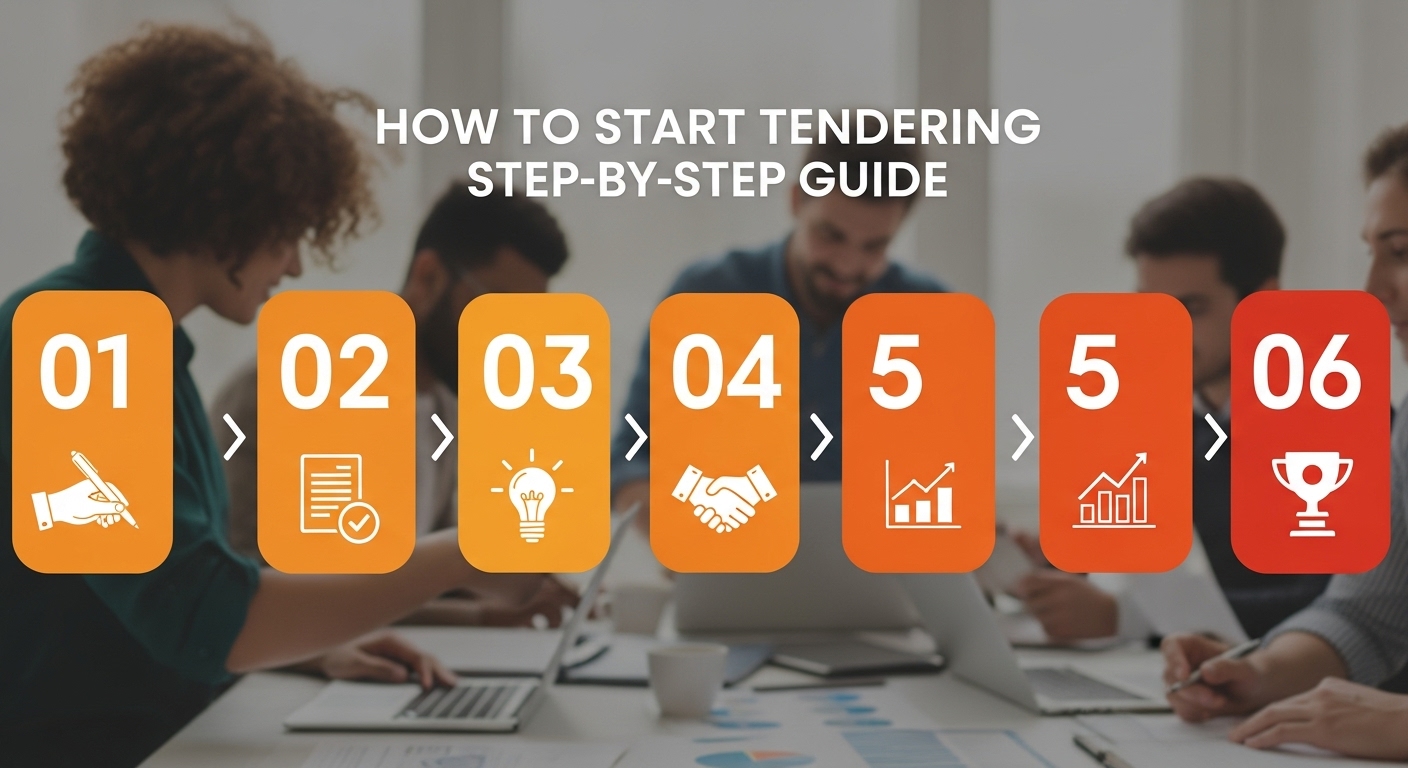
Tendering is a practical pathway for small businesses to win contracts from government agencies and large organisations. Following a clear, structured approach helps ensure your submissions are competitive and compliant.
How to Start Tendering: A Step-by-Step Guide
Step 1: Find Suitable Opportunities
- Register on platforms like AusTender, state portals, and council websites
- Set up alerts for relevant tenders that match your business capabilities
- Monitor opportunities regularly to stay ahead of deadlines
Step 2: Review Tender Documents Thoroughly
- Download and examine the Request for Tender (RFT) or Approach to Market (ATM) documentation
- Assess project scope, eligibility criteria, and deadlines to ensure a good fit for your business
- Identify all mandatory requirements and evaluation criteria
Step 3: Prepare Your Submission
- Address all sections and questions, focusing on demonstrating capability, past experience, and value for money
- Attach required compliance documents (insurance, safety policies, financial statements)
- Ensure your response directly addresses the evaluation criteria
Step 4: Submit Before the Deadline
- Use designated portals to upload your completed response and double-check attachments
- Late submissions are usually not accepted unless due to technical fault
- Keep confirmation receipts for your records
Step 5: Understand Evaluation and Next Steps
- Tenders are usually scored against published criteria, so answer each requirement clearly and thoroughly
- If successful, you’ll be notified and expected to fulfil contract terms
- If unsuccessful, consider requesting feedback to improve future submissions
How Businesses Buy Smarter: Procurement Types
Businesses use different procurement strategies to manage costs, improve reliability, and streamline supply chains. Choosing the right procurement type depends on business size, goals, and risk tolerance.
Common Procurement Types:
Direct Procurement: Businesses buy from suppliers without intermediaries, ideal for simple, repeatable purchases.
Indirect Procurement: Covers goods and services not part of final products, such as office supplies, IT systems, or marketing. This approach often focuses on process efficiency.
Strategic Sourcing: Involves building relationships with key suppliers and negotiating contracts to maximise value and minimise risk over the long term.
Category Management: Groups similar items for coordinated procurement, increasing efficiency and leveraging better prices.
Panel Arrangements: Pre-approved suppliers provide services under agreed terms, making procurement faster and more predictable for buyers.
Collaborative Procurement: Organisations combine their purchasing power to buy more effectively, sharing resources and reducing costs.
Final Thoughts
Choosing the right procurement type enables businesses to control spending, strengthen supplier relationships, and increase flexibility in changing markets. Small businesses benefit from understanding these options as they pursue government contracts and corporate opportunities.
Ready to start winning tenders? Explore Tendor to discover opportunities matched to your capabilities and streamline your tender process.