Welcome to the Tendor Blog – your go-to resource for insights on Australian government tenders, procurement automation, and winning more contracts.
What You’ll Find Here
We’re launching this blog to share practical knowledge that helps Australian businesses navigate the complex world of government procurement. Here’s what you can expect:
Tender Strategy & Tips
Learn proven strategies for identifying the right opportunities, crafting compelling bids, and improving your win rate with government contracts.
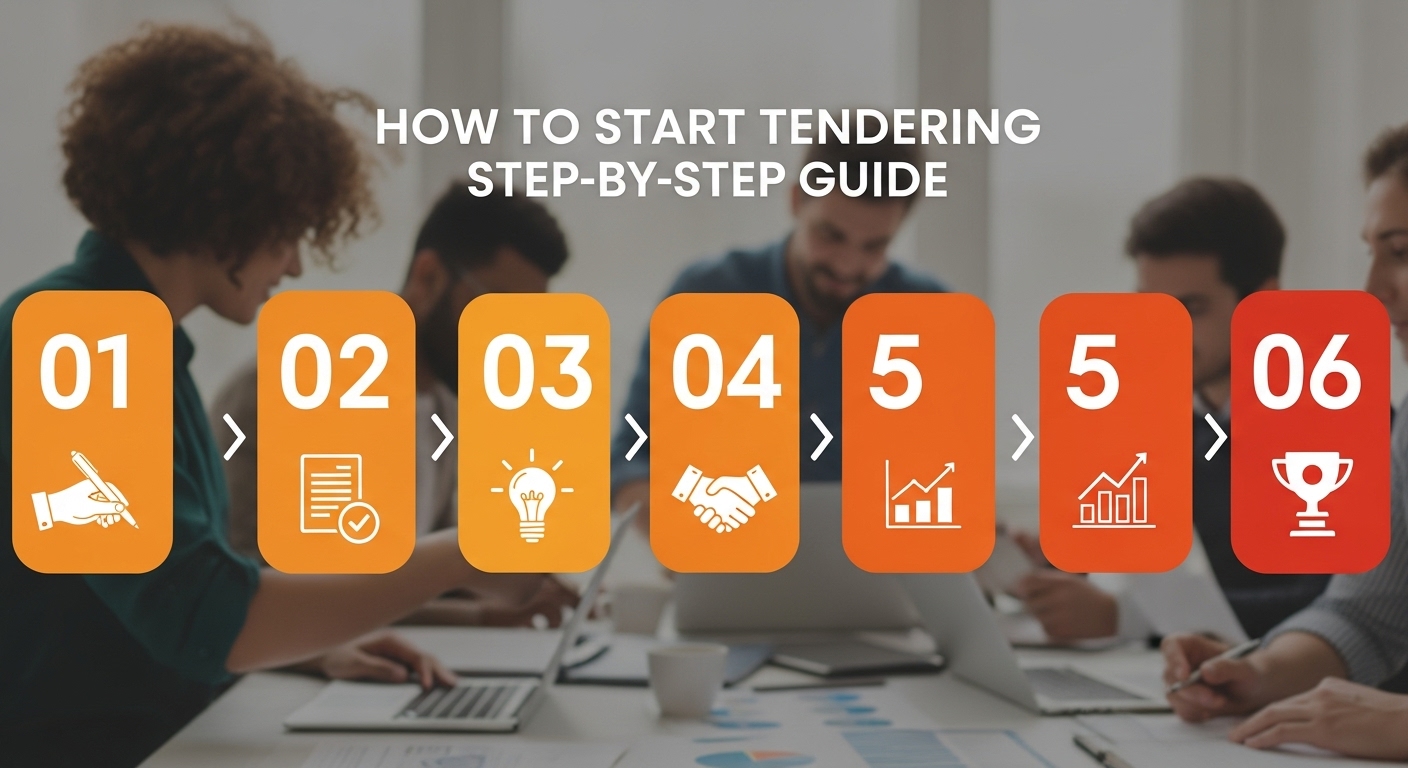
Tendering is a practical pathway for small businesses to win contracts from government agencies and large organisations. Following a clear, structured approach helps ensure your submissions are competitive and compliant.
How to Start Tendering: A Step-by-Step Guide
Step 1: Find Suitable Opportunities
Register on platforms like AusTender, state portals, and council websites
Set up alerts for relevant tenders that match your business capabilities
Monitor opportunities regularly to stay ahead of deadlines
Step 2: Review Tender Documents Thoroughly
Download and examine the Request for Tender (RFT) or Approach to Market (ATM) documentation
Assess project scope, eligibility criteria, and deadlines to ensure a good fit for your business
Identify all mandatory requirements and evaluation criteria
Step 3: Prepare Your Submission
Address all sections and questions, focusing on demonstrating capability, past experience, and value for money
Ensure your response directly addresses the evaluation criteria
Step 4: Submit Before the Deadline
Use designated portals to upload your completed response and double-check attachments
Late submissions are usually not accepted unless due to technical fault
Keep confirmation receipts for your records
Step 5: Understand Evaluation and Next Steps
Tenders are usually scored against published criteria, so answer each requirement clearly and thoroughly
If successful, you’ll be notified and expected to fulfil contract terms
If unsuccessful, consider requesting feedback to improve future submissions
How Businesses Buy Smarter: Procurement Types
Businesses use different procurement strategies to manage costs, improve reliability, and streamline supply chains. Choosing the right procurement type depends on business size, goals, and risk tolerance.
Winning a government contract can feel like a huge milestone for any business — offering steady revenue, strengthened credibility, and long-term growth opportunities. But many business owners hesitate to apply simply because they’re unsure whether they qualify. The truth? Most Australian small and medium enterprises (SMEs) are eligible — provided they meet a few key requirements and prepare properly.
What Does It Mean to Qualify for Government Contracts?
Being qualified means your business has the structure, compliance, and capacity to deliver on a public contract while meeting all regulatory and financial expectations. Government buyers want reliable partners who can deliver value for money and meet performance standards — not necessarily the biggest companies in the market.
Government ProcurementSmall BusinessGetting Started